

Cell economics
Consider your body.

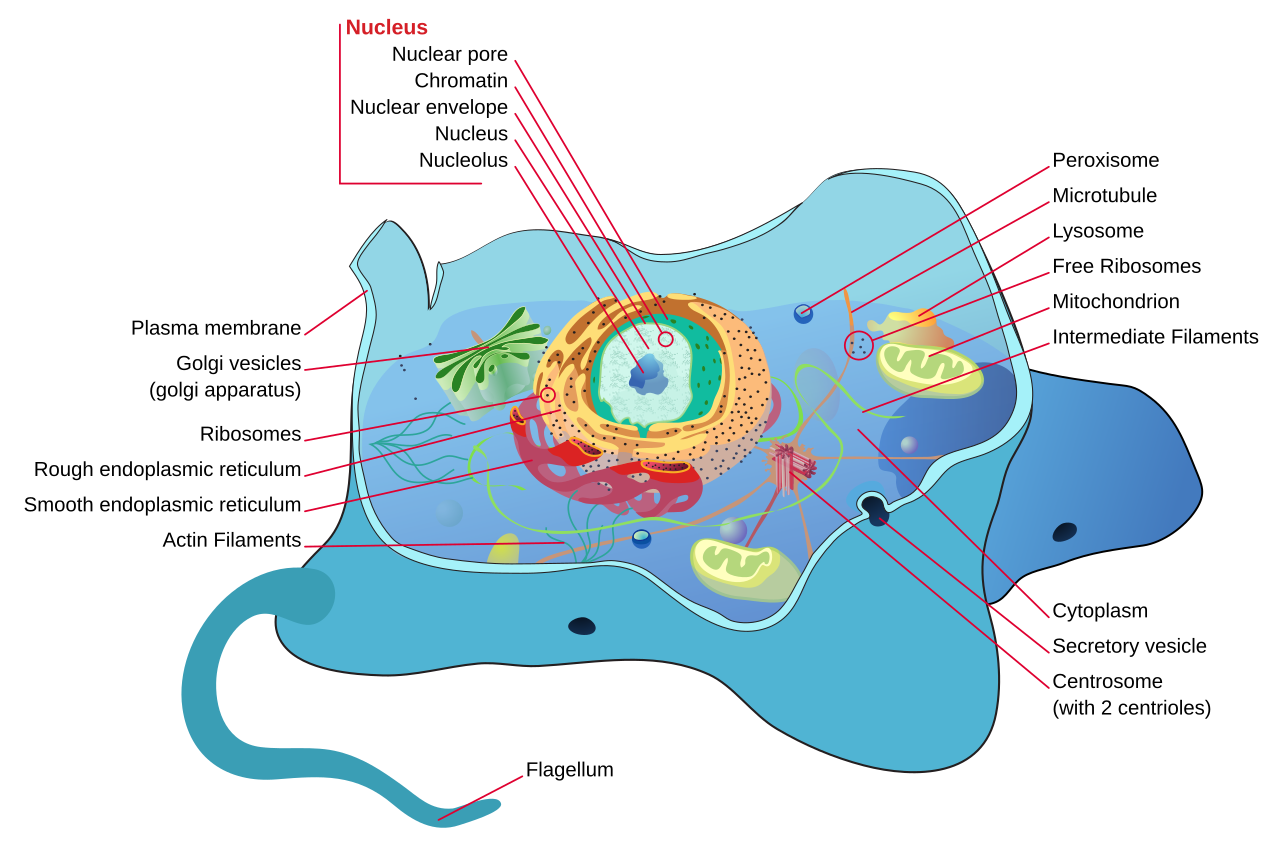
It is made up of about 30 trillion cells and hosts around 38 trillion bacterial cells.
Each of those cells has a cell wall which, all being well, lets in what it needs and not what will harm it, and lets out its product if it has one and its wastes. The cells are organised into organs which vary from very large (e.g. your skin) to very small (e.g. your pineal gland, which produces a hormone vital in the regulation of your body clock). The organs are also selective about what they let in and let out. Many organs cannot survive without the output from other organs, and the work of the cells that transport resources and wastes around the system (e.g. the blood stream). They all work together to make a fully functional human being - you.
It is a system which has evolved over millennia and works pretty well, on the whole.
Now consider what would happen if all the cell walls allowed everything in and out. You'd die more or less immediately, right?
'Free' Trade
Well, that's what the free traders want to happen to our trade systems - at least to goods and services, if not to people. Our wastes are already poisoning the only planet we have to live on.
Keep reading with a 7-day free trial
Subscribe to Sue’s Newsletter to keep reading this post and get 7 days of free access to the full post archives.