

Weirder and wilder
Climate scientists say that global warming could make weather weirder (you may have experienced that already). So, how much weirder?

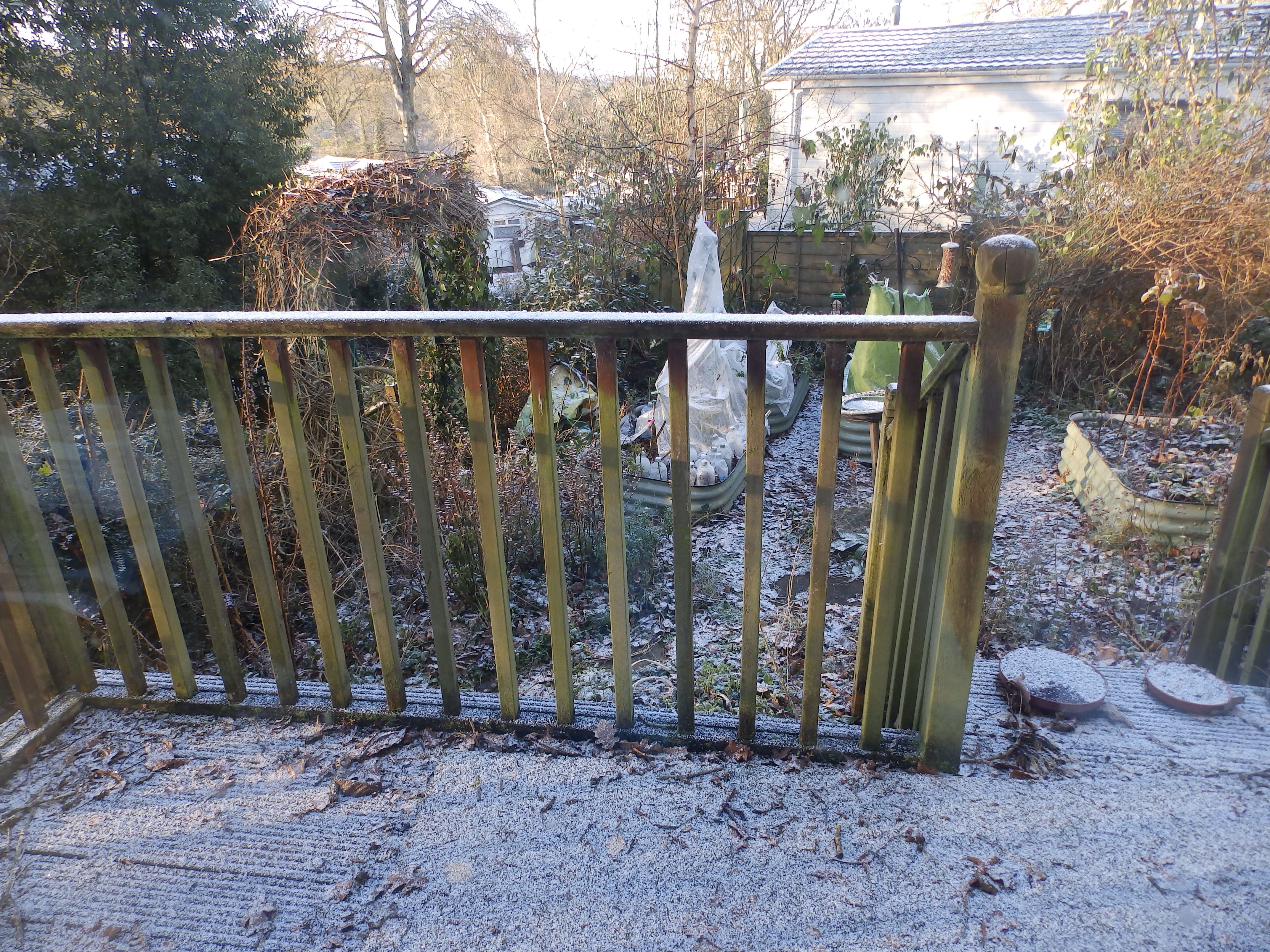
Global warming doesn’t mean that everywhere will simply be a bit warmer. It’s far more complicated than that. At any one time, some will be hotter, some cooler, some wetter, some drier, some windier. One reason for this is that the jet stream is becoming more erratic, allowing the polar vortex to head south, for example. When it weakens, the weather can be slower to move on, so rain will be more prolonged, for example. Plus, warmer air can hold more moisture so it has more rain or snow to drop.
It’s freezing here in the UK, but by no means as cold as some places. Over in the USA, some have been having unusually warm weather, and some have had snow. Of course, the weather naturally varies from time to time and from place to place. It is not wise to read too much into it like climate deniers do, like Senator James Inhof bringing a snowball into the senate to assert that it was evidence that the climate was not warming. Beware climate deniers claiming that extra cold, snowy weather means that climate change is a hoax.
Global warming is about the average climate, not local weather or short term blips. The degree of global warming is shown by the famous Hockey stick graph. Just look at what your local papers are saying about record weather where you are and around the world, these days for corroboration. Records keep falling.
As the climate warms, not everyone will get warmer weather. If the AMOC grounds to a halt, the UK and other countries warmed by the gulf stream could feel the cold.
But one thing is for sure - the weather is going to get wilder with global warming - perhaps wilder than it has been in thousands of years, since the extra warmth is giving it extra energy.
So, what can we expect?
Expect extremes of heat, cold, wind and rain greater than those that have occurred in the past. And episodes may become more frequent, like so-called 100-year storms happening every ten years or even back to back. So, here are some examples. Bear in mind that future examples could be worse and/or more frequent, and that because of tipping points that we cannot accurately predict, they could happen at any time.
Here in the UK, I lived through the Winter of 1962–1963, one of our coldest winters on record. The Big Freeze of 1963 started in mid December of 1962 and ended early in March. Sport was seriously affected. Fortunately, the thaw was gradual enough that there was no major flooding. I hope that our current freezing weather isn’t the start of something similar.
England was also affected by the Great Frost of 1709, but it was much worse on continental Europe, where it was the coldest winter in 500 years. A lot of people died, notably Swedish soldiers fighting Russia in the Great Northern War, which may be why Russia eventually won - they were better prepared for the conditions. There was considerable famine. It has not been unusual for wars to be affected by the weather, whether soldiers died from disease in the trenches, or they were slowed down by muddy conditions, as happens in Ukraine during the muddy season.
Europe was also affected by bad heatwaves in 2022, causing tens of thousands of deaths. There was a lot of drought and many wildfires. Experts predict that climate change will cause this to happen more frequently - more so in Europe than the United States. But parts of America were suffering extreme drought around then, with wildfires. Southwestern North American in particular was experiencing a megadrought. Previous megadroughts in the region have been even drier and caused areas to be abandoned. Dehydration can be devastating for people, wildlife and soils. More droughts mean less food produced.
In very hot weather, plants close their leaf stomata and so take in less pollution. More wildfires and deliberate fires also mean more pollution. More pollution in the air leads to excess deaths.
Most of the United States and parts of Canada experienced a crippling winter storm in December 2022 which caused major disruption. This was followed by a roller coaster of a winter, including some even colder weather. Western Northern America is also experiencing atmospheric rivers, which make water planning difficult. They are likely to increase in frequency and severity.
Extreme climate events are causing ever more damage, and insurers are raising their rates or refusing to insure at all - for instance houses in areas which now flood more frequently.
Some countries around the Indian Ocean which don’t normally get tropical cyclones got 3 in a week last year.
There may be more strong hurricanes like Melissa, the most powerful storm ever to hit Jamaica. They are increasing in the Atlantic and eastern Pacific oceans.
Even with modern science, volcanoes are unpredictable things. When Mount Tambora erupted in 1815, it caused a year without a summer - a very cold summer leading to crop failures and major food shortages around the world. I wonder if anyone has modelled what difference there would be now or in the future if there was another eruption identical to Mount Tambora in 1815. Does anyone know?
In the U.S., there have been increasing numbers of tornadoes, and they have been spreading east, and the tornado season is starting earlier.
Extreme heat or cold can lead to more power outages, as people turn on their air conditioning and heating.
Because of the heat island effect, cities can be preferable to rural areas in cold weather, but worse in hot weather.
So, what can we do?
First, do what you can to combat climate change.
You may be lucky and end up with a climate to your liking. Research which way the winds of change are blowing near you. You may need to migrate north or uphill if you prefer cooler weather, or better insulate your home. Even so, expect the occasional surprise, and some food shortages and interest rate hikes.
Lay in stocks of food and ways to keep yourselves warm or cool.
Grow at least some nutritious herbs, so you eat well even if choice is limited. You don’t have to give up your flower garden for that - plenty of herbs, fruit and vegetables are attractive enough to dot around your borders. Make sure you have what you need to protect your plants from heat, cold, drought or drowning. Buy resilient plants. A vegetable garden would save you a lot of money on food, if you do it wisely. Install water butts to save rainwater - and some plants prefer it to tap water. If in a dry area, choose plants that need relatively little water.
If you are thinking of moving, research all these factors.
Think of ways to protect your home and its contents (and you!) from floods, wildfires, mudslides, hurricanes, etc.
The more prepared you are for every eventuality, the less stressful your life will be. So don’t worry, be happy. And prepared.
And a happy new year to you all!
Isn't there a case to be made that colder winter weather in the Northern Hemisphere is a feature of climate change, produced by changes in atmospheric and oceanographic currents caused by warmer summertimes? I never heard the term "Polar vortex" before global warming became a thing.